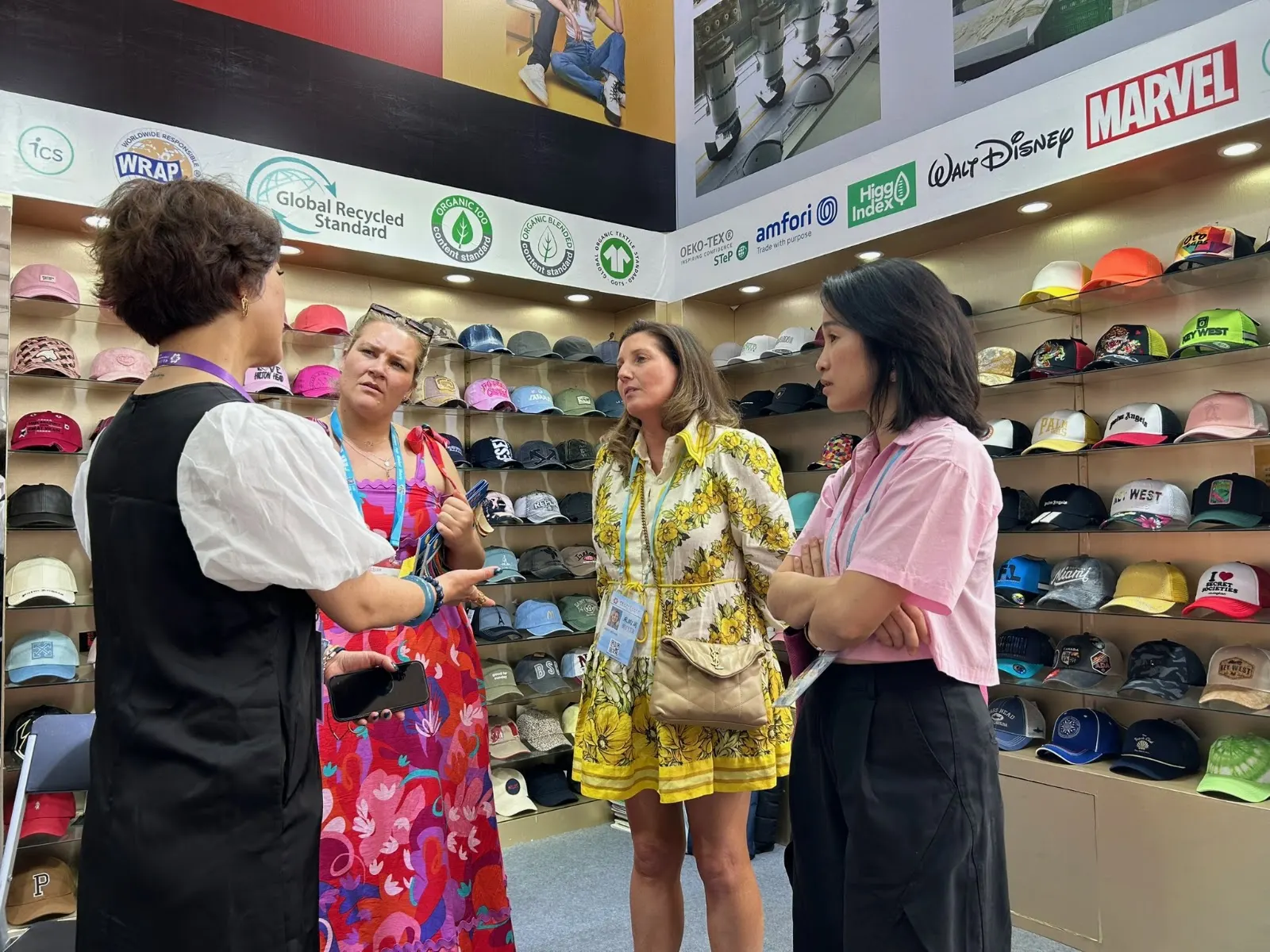
Why Most First-Time Product Founders Choose The Wrong Factory

Finding a factory sounds simple. Finding the right factory is much harder. Here are the most common mistakes first-time founders make — and how to avoid them.
Finding a factory sounds simple. Jump on Alibaba. Send a few enquiries. Compare some quotes. Pick the cheapest option. Done.
Unfortunately, that is exactly how many founders end up making expensive mistakes. I have seen founders lose thousands of dollars, receive products they could not sell, miss launch deadlines and spend months trying to fix problems that could have been avoided from the beginning.
The reality is that finding a factory is easy. Finding the right factory is much harder. Here are the most common mistakes I see first-time product founders make.
Mistake 1: Choosing The Cheapest Quote
This is by far the biggest mistake. When you are starting a business, every dollar matters. It is natural to compare suppliers and choose the lowest price. The problem is that manufacturing is not just about cost. It is about quality, communication, reliability and consistency.
A factory that is 20% cheaper may end up costing significantly more if:
- Products arrive with defects
- Production is delayed
- Communication is poor
- Quality varies between orders
- Packaging is not correct
- Rework is required
The cheapest quote rarely delivers the cheapest outcome.
Mistake 2: Not Understanding Who You Are Actually Dealing With
Many founders assume every supplier they find online is a factory. That is not always the case. Some are trading companies. Some are sourcing agents. Some are factories. None of these are inherently bad. The issue is knowing who you are dealing with.
If you do not know who you are dealing with, it becomes very difficult to negotiate effectively or solve problems when they arise.
Mistake 3: Focusing On MOQ Instead Of Fit
One of the first questions most founders ask is: "What is the minimum order quantity?" While MOQ is important, it should not be the only factor driving your decision.
You want a supplier that:
- Understands your product category
- Communicates clearly
- Has experience exporting internationally
- Produces consistent quality
- Can support future growth
A slightly higher MOQ with the right factory is often a much better outcome than a low MOQ with the wrong one.
Mistake 4: Skipping Supplier Checks
A professional website does not mean a supplier is legitimate. Great photos do not guarantee quality. Positive reviews do not tell the full story. Before placing an order, you should understand how long the supplier has been operating, what products they specialise in, who their existing customers are, their quality control processes, and their export experience.
This is where factory visits and supplier vetting become incredibly valuable.
Mistake 5: Assuming Samples Guarantee Production Quality
Receiving a great sample is exciting. But a sample and a production run are two very different things. A supplier may spend significant time perfecting a sample. The challenge is maintaining that same quality across hundreds or thousands of units.
This is why production inspections and quality control processes are so important. Your sample should be the starting point, not the final checkpoint.
Mistake 6: Ignoring Communication
Most manufacturing problems begin as communication problems. If a supplier takes a week to answer questions during the quoting stage, things rarely improve once production begins.
Pay attention to response times, attention to detail, clarity of communication, willingness to answer questions, and problem-solving ability. A supplier's communication style during the early stages is often a good indicator of what the relationship will look like long term.
Mistake 7: Choosing A Factory Before Finalising Your Product
Many founders rush into supplier conversations before they have clearly defined their product. This creates confusion for both parties. Before approaching factories, you should have clarity around materials, dimensions, colours, packaging requirements, target pricing and order quantities. The clearer your brief, the better your manufacturing outcomes.
So How Do You Choose The Right Factory?
The best factory is not necessarily the cheapest. It is not always the biggest. And it is not always the first supplier you find. The right factory is one that aligns with your product, your goals and the stage of business you are in.
Finding that partner takes experience, research and due diligence. That is exactly what we help our clients do at Source Haus. We work with founders to identify suppliers, vet factories, negotiate terms and manage production so they can avoid costly mistakes and move forward with confidence.
If you are ready to find the right factory for your product, book a sourcing call and let us discuss the best manufacturing solution for you. Or read our guide on how to vet a factory before you pay a deposit.
Frequently asked questions
Why is choosing the cheapest supplier usually a mistake?
The cheapest quote covers unit cost only. Poor communication, quality failures, production delays and rework quickly erase any saving. The factory that costs 20% less often ends up costing significantly more overall.
How do I tell if a supplier is a real factory or a trading company?
Ask directly, and request business registration documents and a live video walk-through of the production floor. A trading company adds a margin without adding control — knowing who is actually making your product matters.
Does a great sample guarantee good production quality?
Not automatically. Factories sometimes put more care into samples than bulk runs. A signed-off golden sample and a production inspection are how you carry sample quality through to the full order.
What should I prioritise when evaluating a factory?
Product category experience, communication quality, quality control processes and export track record. A slightly higher MOQ with the right factory is nearly always a better outcome than a low MOQ with the wrong one.
What is the most important thing to do before approaching factories?
Clearly define your product. Dimensions, materials, packaging, target price and expected quantities. The clearer your brief, the more accurate the quotes and the smoother the entire sampling process.

Kristy Withers
Founder of Source Haus. 20+ years in product sourcing and manufacturing across China, India and Southeast Asia.