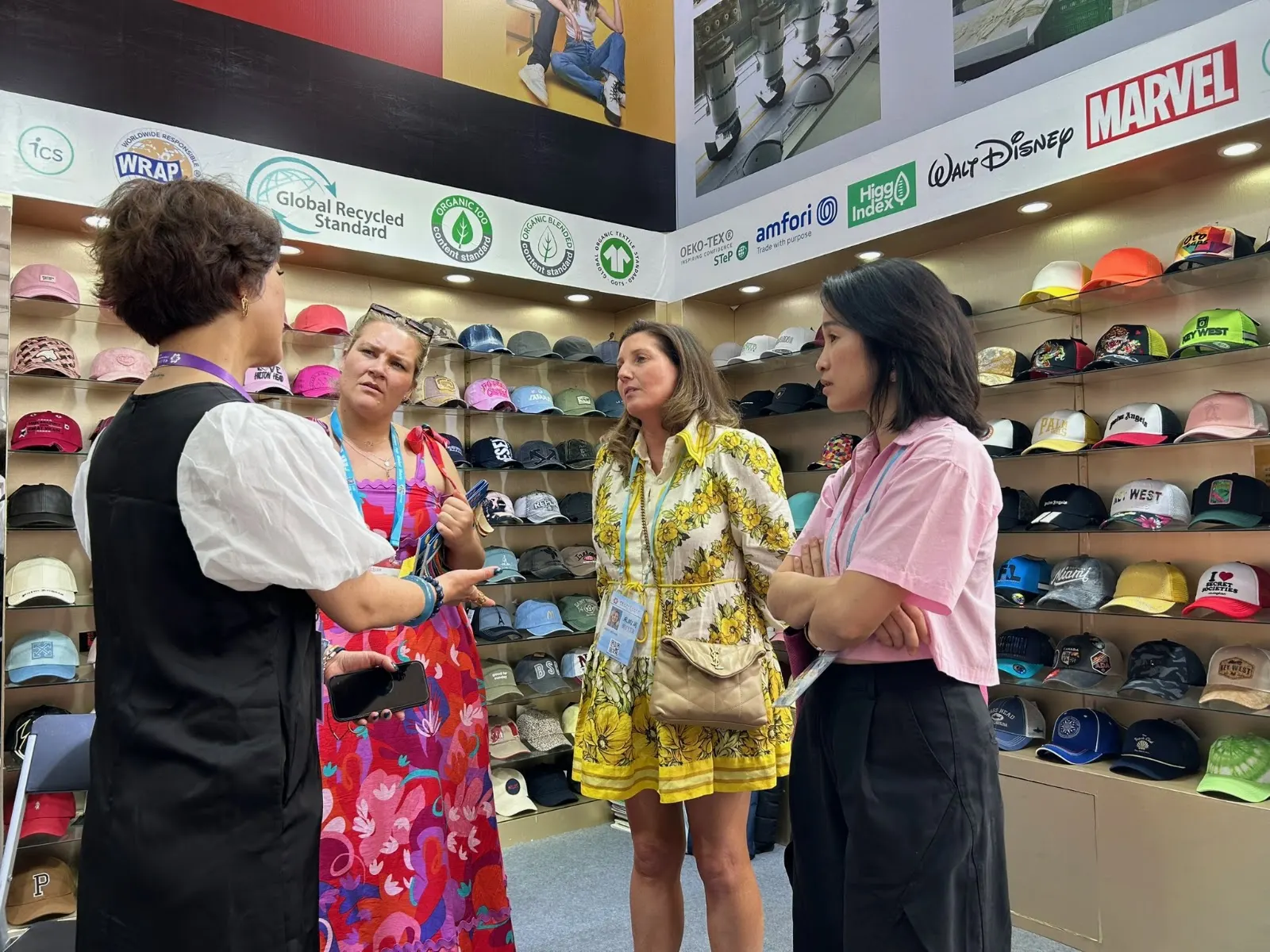
Product Compliance and Safety Testing: What to Sort Before Production Starts
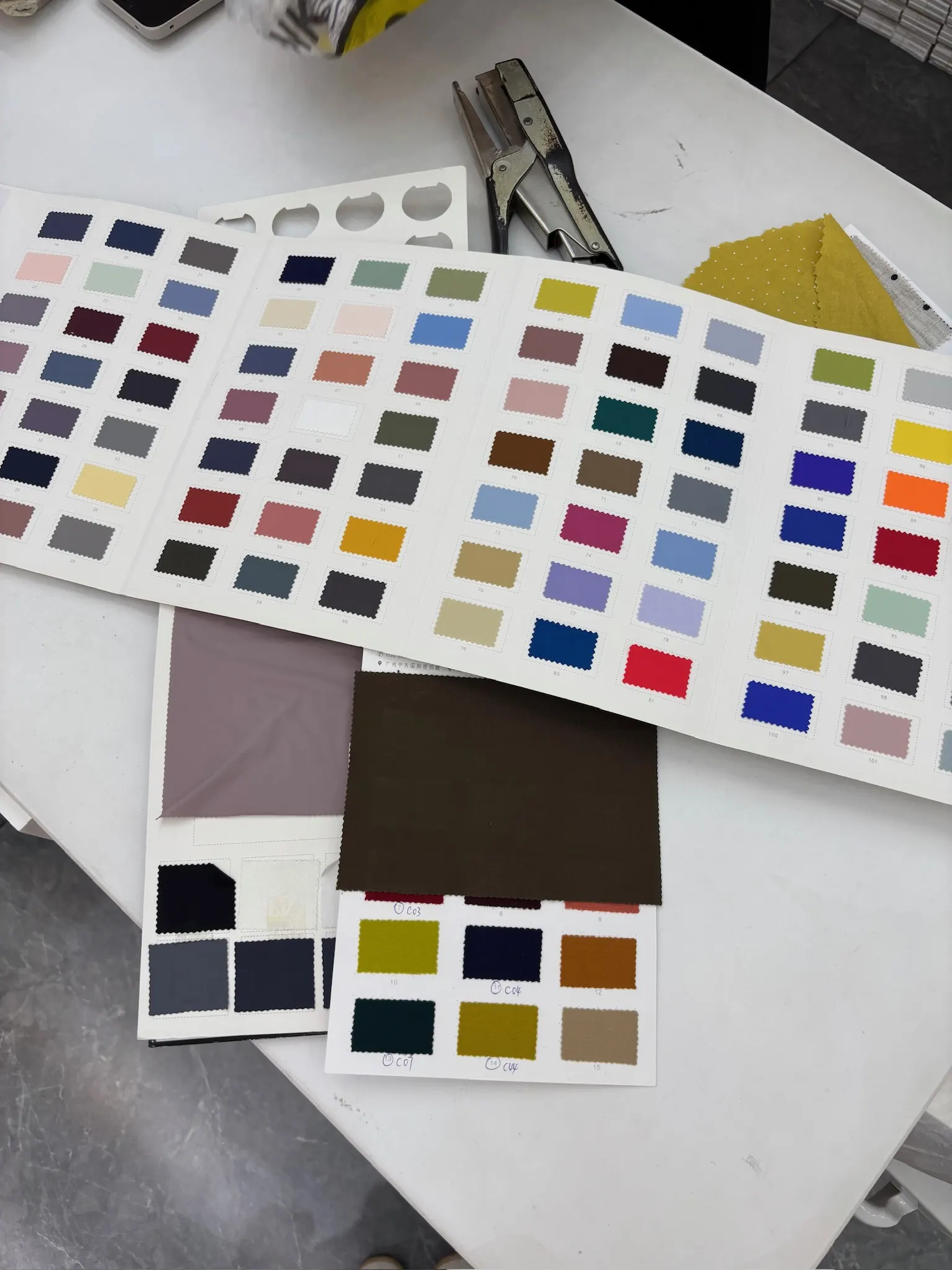
Compliance is not the paperwork you handle at the end. It changes your materials, your cost and your choice of factory. Here is what to sort before production starts.
Compliance is the part of manufacturing most founders discover late. Usually at the worst possible moment.
The product is made. The container is booked. Then a retailer asks for a test report you do not have. Or a shipment gets held because the labelling is wrong.
None of that is hard to avoid. It just has to happen before production, not after.
Here is what product compliance testing actually involves, and when to deal with it.
Compliance follows the market, not the factory
This is the piece most founders get backwards.
Your factory does not decide what your product must comply with. The country you sell into does.
A factory in Guangzhou can make a product that is perfectly legal in one market and not allowed in another. Same product, same line, different rules.
So the question is never "is this factory compliant?". The question is "does this product meet the requirements of the market I am selling into?".
If you sell in Australia, that means Australian rules. Add the US or the UK and you add another requirement set. Every new market brings its own.
Work out what applies before you brief a factory
Most products have no mandatory safety standard. Some have a lot.
The high-scrutiny categories are predictable. Anything for children. Anything electrical. Anything that touches food or skin. Anything that carries weight or a person.
Start with the regulator for your market. In Australia that is the ACCC and the Product Safety Australia site. In the US it is the CPSC. For the UK and Europe, look at UKCA and CE requirements for your category.
Search your exact product type, not your brand category. A kids' water bottle is a children's product, a food contact item and a possible small parts risk all at once.
Write down what you find. Then send it to the factory before sampling starts.
Tell the factory the standard, not just the product
A factory will make what you ask for. It will not guess your regulatory obligations.
Put the requirements in your manufacturing brief. Name the market. Name the standard. Name the tests you need passed.
That does three useful things.
It lets the factory choose the right materials from the start. Compliant components cost more, so this changes the quote you get.
It tells you whether the factory has done it before. Ask directly. A factory already exporting to your market knows the paperwork and the traps.
It gives you something to hold them to. A brief naming a specific standard is a commitment. A brief saying "make it safe" is not.
Who pays, and what a test report actually covers
Testing is done by an independent lab. SGS, Intertek and Bureau Veritas are the names you will see most often. A factory does not test its own product and hand you a pass.
Cost depends on the standard and the number of tests. One chemical test on one material is small money. Full mechanical and chemical testing on a children's product is not.
The factory usually arranges the booking. You usually pay. Agree that early and get it in writing before the deposit moves.
Then understand what the report covers.
A test report is tied to a specific product, in a specific configuration, made from specific materials. Change the colourway, the coating or the supplier of one component and the report may no longer apply.
Keep it. Retailers ask for it. Customs can ask for it. If something goes wrong, it is the document that shows you did the work.
Test the sample, then check the production
A sample passing its test is not the same as shipping a compliant product.
Samples are made slowly and carefully, often by the best operator in the factory. Bulk production runs at speed, sometimes with a substituted component when a material runs short.
That substitution is where compliance quietly breaks.
Build two checkpoints in. Test the approved pre-production sample. Then verify at pre-shipment inspection that bulk matches it.
Ask for material declarations on the components that matter. If a component supplier changed, you want to know before the container leaves.
Labelling fails more often than the product
Plenty of products pass safety testing and still get held up. The reason is almost always labelling.
Every market sets its own rules on what must appear, where, and in what language. Country of origin. Importer or responsible supplier details. Warnings. Age grading. Care instructions. Fibre content. Electrical ratings.
These are cheap to get right and expensive to get wrong. Relabelling landed stock costs far more than printing it correctly would have.
Check your label artwork against the requirements before it goes to print. Send the factory a proof and approve it in writing.
Build it into the timeline
Compliance work has a lead time like everything else.
Rough order to plan around:
- Confirm requirements for every market you sell into
- Write them into the manufacturing brief
- Factory selects compliant materials and quotes accordingly
- Sample made to the standard
- Third party testing on the approved sample
- Label artwork checked and approved
- Production
- Pre-shipment check that bulk matches the tested sample
Lab testing takes time. A failed test takes more, because you fix and retest. Leave room for one failure.
The takeaway
Compliance is not paperwork you handle at the end. It is a set of decisions that change your materials, your cost and your choice of factory.
Work out what applies. Put it in the brief. Test the approved sample with an independent lab. Check that bulk matches what passed.
Do that and compliance becomes a box you tick, not a shipment you lose.
If you are not sure what applies to your product, or whether your factory can meet it, book a sourcing call. We will tell you honestly what needs sorting before you place an order.

Kristy Withers
Founder of Source Haus. 20+ years in product sourcing and manufacturing across China, India and Southeast Asia.