OEM vs ODM vs Private Label: Which Manufacturing Model Is Right for You?
Most founders hit a wall of acronyms before they hit a factory. Here's what OEM, ODM, private label and white label actually mean, and how to pick the right one for your product.
Most founders start with a product idea. Then they hit a wall of acronyms.
OEM. ODM. Private label. White label. The terms get thrown around like everyone already knows them. Most people don't.
Picking the wrong model costs you time, money and control. Here is what each one means, in plain English, and how to know which one fits your product.
Why this decision matters
Your manufacturing model shapes everything.
It decides how much you spend upfront. It decides how unique your product is. It decides who owns the design.
Get it right and you launch faster with less risk. Get it wrong and you either overspend on tooling you never needed, or you end up selling the same product as ten other brands.
This is a strategy decision, not a technical one. Sort it out early.
OEM: the factory builds your design
OEM stands for Original Equipment Manufacturer.
It means the factory makes your product to your design. You bring the specs. You bring the drawings. They manufacture it.
Think of it as custom production. You control the materials, the dimensions, the finish. The product is yours.
This is the model for a genuinely new product. Or one with a real point of difference. It costs more upfront. You often pay for tooling and multiple sample rounds. Lead times run longer.
But you own something nobody else can sell.
Best for: original products, strong brands, and founders who want full control.
ODM: the factory already has the product
ODM stands for Original Design Manufacturer.
Here the factory already makes a product. You adjust it. Change the colour. Add your logo. Tweak the packaging. Choose from options they already offer.
The core design belongs to the factory, not you.
This is faster and cheaper than OEM. No tooling from scratch. Samples come back quickly. You reach the market sooner.
The trade-off is exclusivity. The factory can sell a similar product to someone else. Your differences sit on the surface, not in the design.
Best for: testing a market, tighter budgets, and speed over originality.
Private label and white label
People mix these two up constantly. Here is the clean version.
Private label is a product made for your brand only, usually built on an existing formula or design. Common in beauty, supplements and food. Your branding, their base product, some exclusivity.
White label is a generic product sold to many brands. Each one adds its own label. No exclusivity. The same item shows up under different names.
Both sit close to ODM. The question underneath all of it is the same. How much of this product is actually yours?
OEM vs ODM at a glance
- OEM: your design, higher cost, longer timeline, full exclusivity.
- ODM: their design, lower cost, faster launch, limited exclusivity.
- Private label: their base, your brand, some exclusivity.
- White label: their product, your label, no exclusivity.
None of these is better than the others. They solve different problems.
How to choose
Ask yourself three questions.
How original is your product? If it is genuinely new, you need OEM. If it is a sharper version of something that already exists, ODM might be plenty.
What is your budget? OEM needs more cash upfront. ODM and private label protect your capital while you prove demand.
How much does exclusivity matter? If your brand is built on a unique product, surface changes won't cut it. If speed to market matters more, an existing design gets you there faster.
There is no universal answer. There is only the right answer for your product and your stage.
The mistake to avoid
Many founders assume they need OEM when they don't.
They spend big on tooling for a product that could have launched on an ODM base. They burn cash before they even know customers want it.
Others go ODM when their whole pitch is originality. Then they wonder why a competitor sells the same thing for less.
Match the model to the goal. That is the whole game.
Where Source Haus fits
Choosing a model is easier with someone who has done it before.
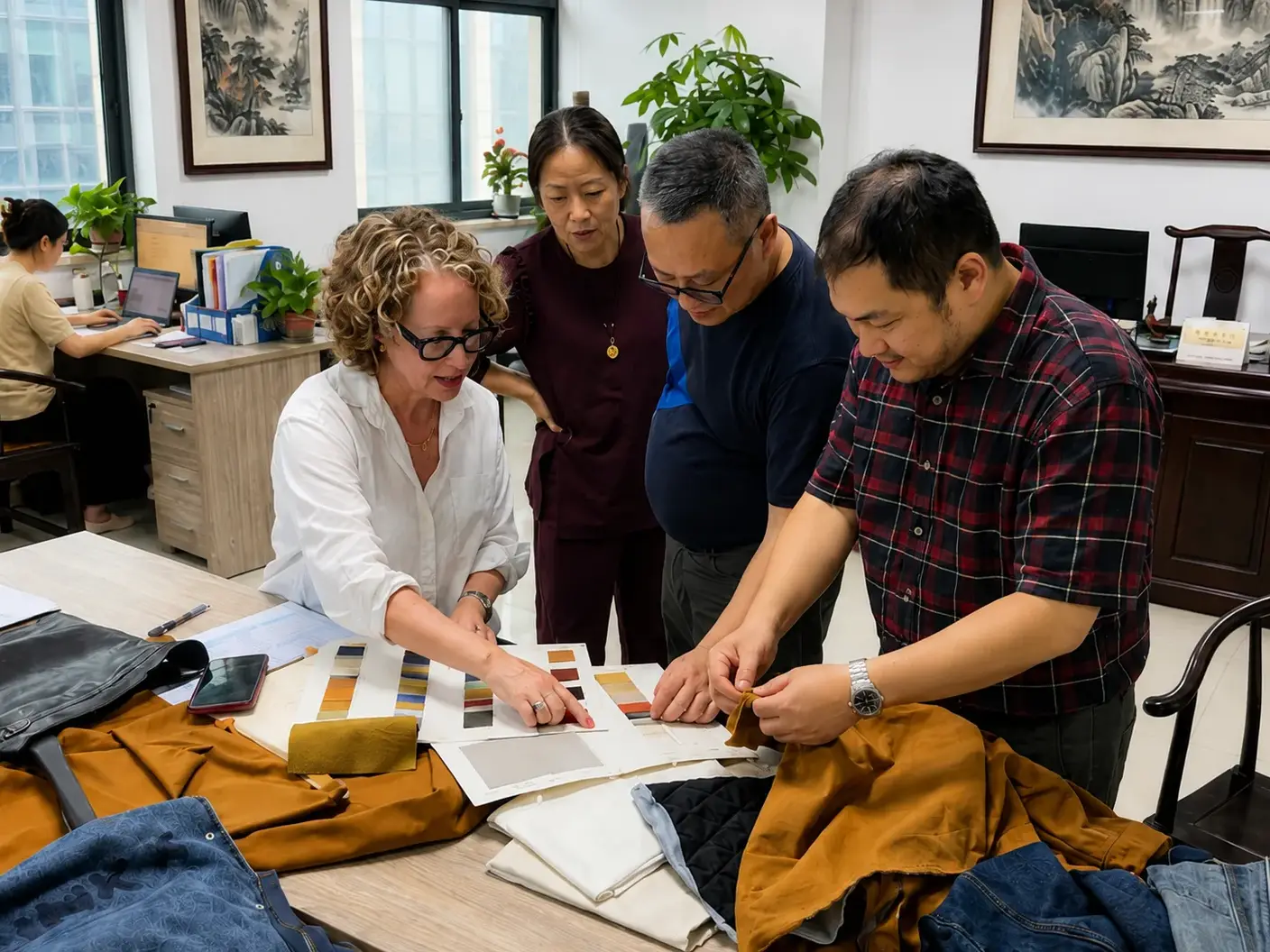
Source Haus founder Kristy Withers built and scaled Incy Interiors to more than $50 million in sales across nine countries. Our teams on the ground in India and China bring 25+ years of sourcing experience.
We help founders decide which model fits, find suppliers who can actually deliver it, and manage the process from first sample to final shipment. No guesswork. No Alibaba roulette.
Ready to move from idea to production?
If you are staring at these acronyms and not sure which way to go, that is exactly the conversation to have before you spend a cent on samples.
Book a Sourcing Call and we will help you choose the right model for your product.
Kristy Withers
Founder of Source Haus. 20+ years in product sourcing and manufacturing across China, India and Southeast Asia.