How to Protect Your Product Idea When Manufacturing Overseas
"Someone will steal my idea" is the fear that stops founders emailing their first factory. The fix is a few documents, a few registrations and the right partner. Here is how to protect your product idea properly.
"Someone will steal my idea."
It is one of the most common worries we hear from founders. You have spent months developing a product. Now you are about to email the full design to a factory on the other side of the world.
Here is the good news. Protecting your product idea when manufacturing overseas is not complicated. It comes down to a few documents, a few registrations and choosing the right partner in the first place.
After 25+ years of sourcing across China and India, we can tell you the horror stories are the exception. But you should still protect yourself properly. Here is how.
First, a reality check
Factories make products for a living. They are not sitting around waiting to steal designs.
A good manufacturer earns far more from your repeat orders than from a knock-off. Copying mostly happens when founders do three things. They work with unvetted suppliers. They share full designs with everyone who asks. And they put nothing enforceable in writing.
All three are avoidable.
Skip the NDA. Get an NNN agreement.
A standard Western NDA is close to useless in a Chinese court. Wrong template, wrong language, wrong jurisdiction.
What you want is an NNN agreement. It covers three things:
Non-disclosure. The factory cannot share your designs.
Non-use. The factory cannot use your designs to make products for anyone else. Including themselves.
Non-circumvention. The factory cannot go around you and sell directly to your customers.
Non-use is the clause that matters most. An NDA stops a factory talking about your product. An NNN stops them making it.
To be enforceable, the agreement should be written in Chinese, governed by Chinese law and actionable in a Chinese court. Have a lawyer who specialises in Chinese contracts draft it. The same principle applies anywhere you manufacture: use a contract that works in the factory's country, not just yours.
Register your trademark before you brief anyone
China is a first-to-file country. Whoever registers a trademark first owns it there. Not whoever used it first.
That catches founders out in two ways. Someone else can register your brand name in China and sell under it. Worse, a bad-faith registration can block your own goods from leaving the country, because customs enforces local trademarks.
The fix is simple. Register your trademark in China before you start production. Register it in your home market too. If you are manufacturing in India, do the same there.
Registration costs little compared to buying your own name back later.
Protect the design, not just the name
If the look of your product is where the value sits, look at design registration. In China this is a design patent. It protects the appearance of the product, not just the brand on it.
And if your product needs custom tooling, get mould ownership in writing before you pay for it. You paid for the tooling. It should not walk off to make someone else's version.
Share less, later
You do not need to send complete design files to twenty factories to get quotes.
Early on, share enough to get an accurate quote. Dimensions, materials, finishes, target quantity. Hold back the full technical pack.
Send complete files only to a short list of factories you have actually vetted and who have signed your NNN. If one component is the special sauce, some founders go further and source that part separately. For most products, a vetted shortlist and a signed agreement are enough.
The best protection is the right factory
Paperwork matters. The partner matters more.
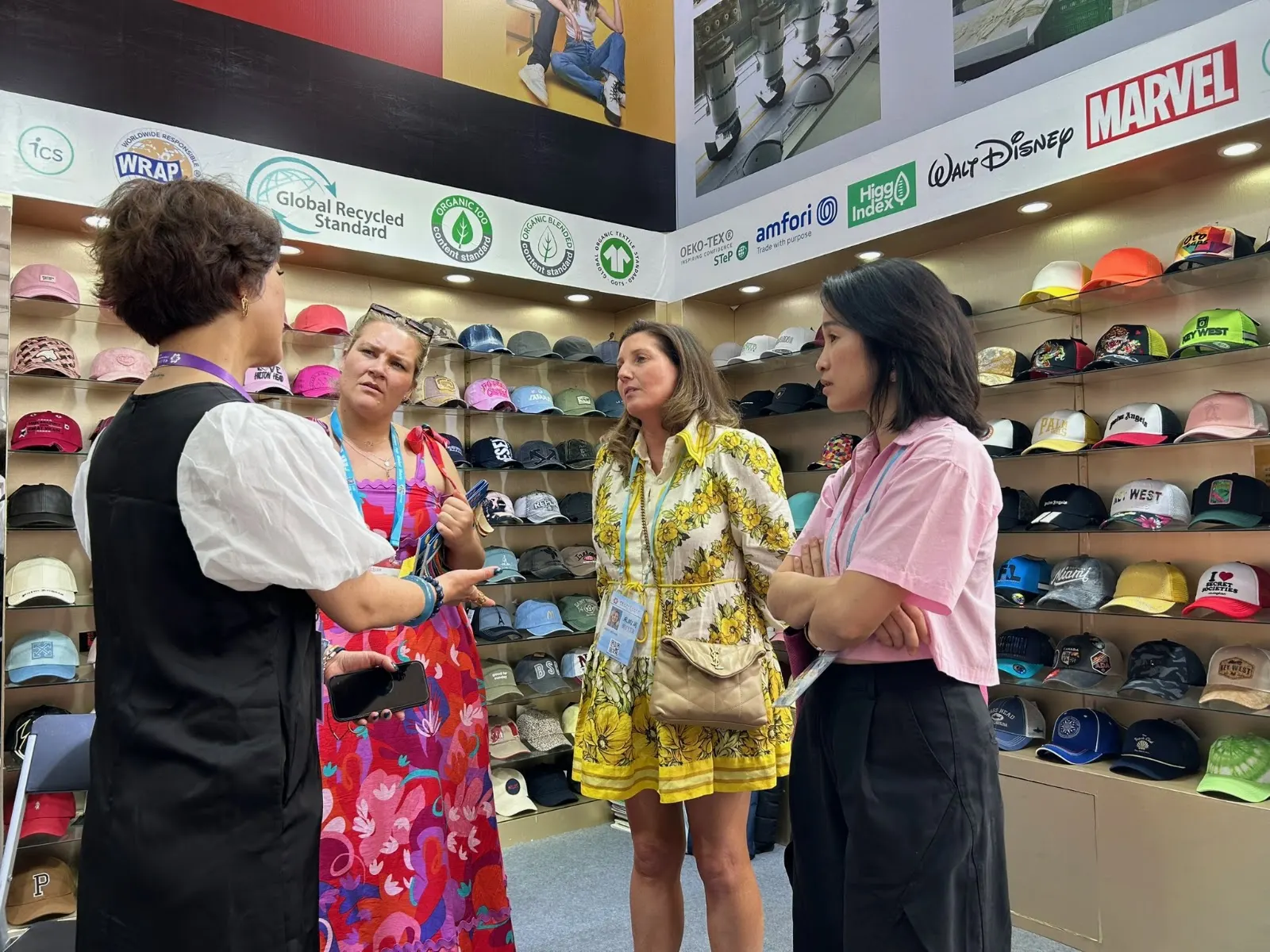
A factory with a real export track record, established international customers and a reputation to protect has far more to lose than to gain by copying you. That is the supplier you want, and you cannot identify them from a listing page.
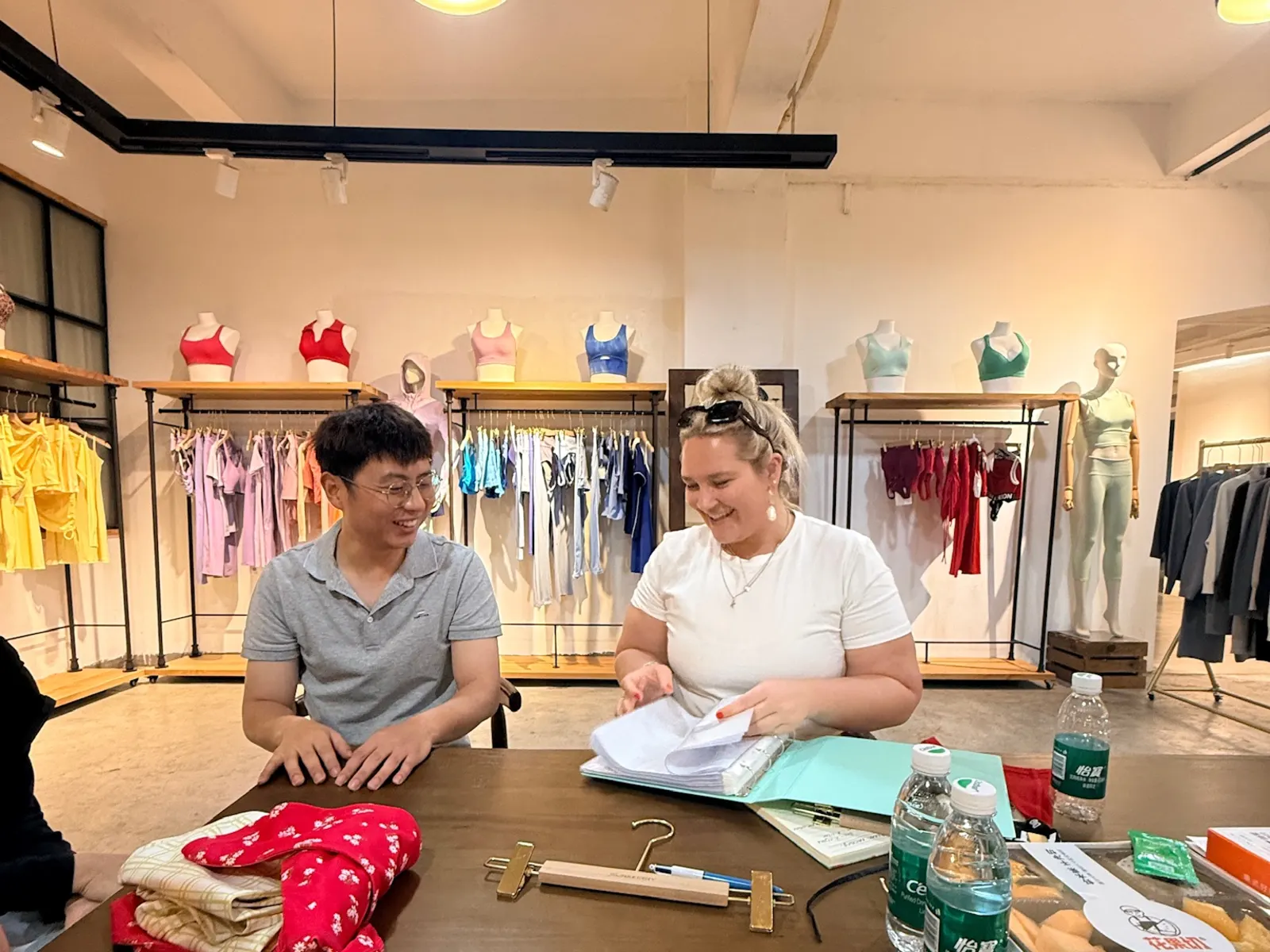
This is why we vet factories in person. Our on-ground teams in India and China walk the production lines, check the paperwork and assess how a supplier actually operates. It is the same approach Kristy used building Incy Interiors to more than $50 million in sales across 9 countries. The factories that made that possible were long-term partners, not strangers found in a search bar.
The takeaway
Protecting your product idea comes down to five moves.
- Use an NNN agreement, not a Western NDA.
- Register your trademark early, in China and at home.
- Register the design if the look is the value.
- Share full designs only with a vetted shortlist.
- Choose a factory with more to lose than to gain by copying you.
Do these before production starts, not after. None of them are expensive. All of them are cheaper than the alternative.

Kristy Withers
Founder of Source Haus. 20+ years in product sourcing and manufacturing across China, India and Southeast Asia.