China vs India: Which Country Should You Manufacture In?

There is no universal right answer. Both countries offer extraordinary manufacturing opportunities. The best choice depends on your product, your budget and the type of business you are building.
If you are launching a product business, one of the first questions you will face is: "Should I manufacture in China or India?" It is a question I am asked almost every day.
The truth is there is not a right answer. Both countries can be incredible manufacturing partners. The best choice depends on your product, your budget, your timelines and the type of business you are building. Having sourced products across China and India for more than 15 years, I have seen businesses succeed in both countries. I have also seen founders choose the wrong one and create unnecessary headaches for themselves.
Why China Remains the Manufacturing Powerhouse
When most people think manufacturing, they think China. For good reason. China has spent decades building one of the most sophisticated manufacturing ecosystems in the world. Factories, suppliers, packaging companies, freight providers and raw material suppliers often operate within the same regions. This creates efficiencies that are difficult to replicate elsewhere.
China is often the best choice for:
- Homewares and furniture
- Packaging and hardware
- Electronics and plastic products
- Kitchenware and pet products
- Promotional and consumer goods
One of China's biggest advantages is speed. Factories are generally highly experienced, production systems are mature and supply chains are incredibly efficient. If you are producing a complex product with multiple components, China is often the easiest place to manufacture.
Why More Brands Are Looking At India
India has become one of the most exciting manufacturing destinations in the world. While it does not have the same manufacturing infrastructure as China across every category, it offers incredible opportunities for specific product types.
India excels in:
- Textiles, fashion and apparel
- Bedding and soft furnishings
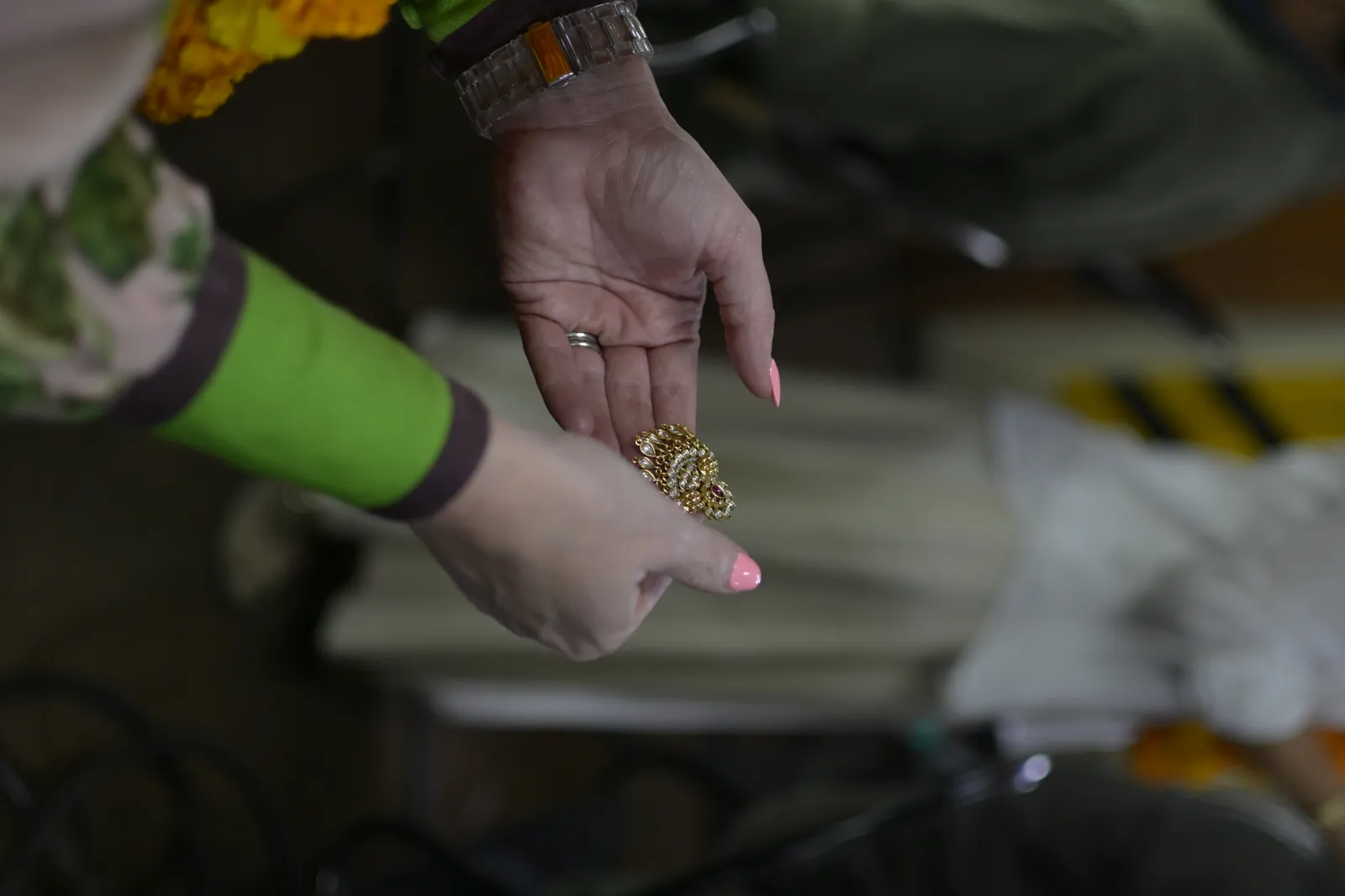
- Jewellery and leather goods
- Handcrafted products and home décor
- Natural materials
One of India's biggest strengths is craftsmanship. Many products are still produced using traditional techniques that have been passed down through generations. This allows brands to create products with a level of detail and authenticity that can be difficult to achieve elsewhere.
What About Minimum Order Quantities?
Many founders assume China will always require huge order quantities. That used to be true. Today, many Chinese factories are becoming increasingly flexible, particularly if you are working with an experienced sourcing partner who understands how to negotiate. MOQ is often less about the country and more about the specific factory.
What About Quality?
A common misconception is that products from one country are automatically better than the other. Quality is determined by the factory, not the country. I have seen exceptional factories in China. I have seen exceptional factories in India. I have also seen poor factories in both countries. The key is finding the right supplier and having the correct quality control systems in place.
Which Country Is More Affordable?
This depends entirely on what you are manufacturing. In some categories, India will offer lower costs. In others, China will. The mistake many founders make is comparing unit prices without considering freight, packaging, lead times, sampling, quality control, rework and supplier reliability. The cheapest quote rarely delivers the cheapest outcome.
So Which Country Should You Choose?
Choose China if you are manufacturing consumer products, need complex supply chains, want speed and efficiency, or need specialised manufacturing capabilities.
Choose India if you are producing textiles or apparel, craftsmanship is important, you want handmade or artisan elements, or you are looking for unique materials and techniques.
The reality is that many successful brands manufacture in both countries. Nothing replaces seeing manufacturing firsthand — which is exactly why we run sourcing trips to China and India. You can meet suppliers, visit factories, understand the process and gain a level of confidence that is almost impossible to achieve from behind a laptop. Curious what a trip actually involves day to day? Read our sourcing trip guide.
Frequently asked questions
What types of products is China best for?
Consumer goods, homewares, electronics, packaging, kitchenware, plastic products and anything requiring a complex multi-component supply chain.
What types of products is India best for?
Textiles, fashion, apparel, bedding, jewellery, leather goods, handcrafted homewares and products that benefit from traditional craft techniques.
Is quality better in China or India?
Quality is determined by the factory, not the country. Both have excellent and poor factories. The key is finding the right supplier and having proper quality control in place regardless of where you manufacture.
Are MOQs generally lower in India than China?
It depends on the factory, not the country. Both have factories with flexible minimums, particularly when working with a sourcing partner who can negotiate on your behalf.
Can I manufacture in both countries at the same time?
Many brands do. Some product categories suit one country over the other, and some businesses split their range between both depending on product type and supplier capability.

Kristy Withers
Founder of Source Haus. 20+ years in product sourcing and manufacturing across China, India and Southeast Asia.