Canton Fair Guide for First-Time Buyers: How to Prepare and What to Expect
The Canton Fair can compress months of supplier searching into days, or swallow a week for nothing. Here is how to pick the right phase, prepare properly, work the halls and follow up so the fair actually pays off.
The Canton Fair is the biggest sourcing event in the world. Twice a year, tens of thousands of suppliers fill the exhibition halls in Guangzhou, China. Almost every product category is represented. So is almost every mistake a first-time buyer can make.
We take founders to the fair on our China sourcing trips. The difference between a great fair and a wasted one comes down to preparation. Here is how to get it right.
What the Canton Fair actually is
Its official name is the China Import and Export Fair. It runs twice a year in Guangzhou: once in spring, from mid April to early May, and once in autumn, from mid October to early November.
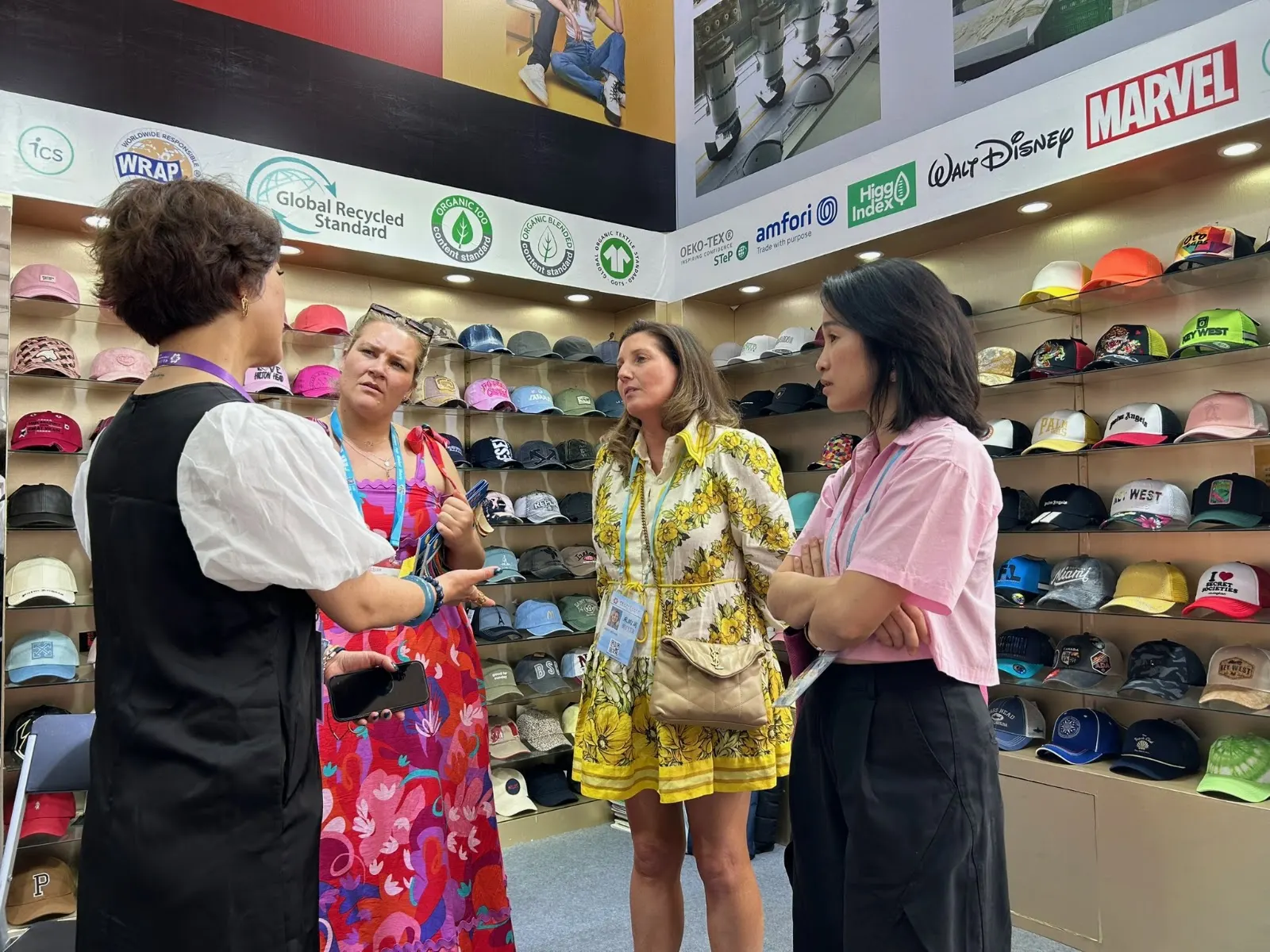
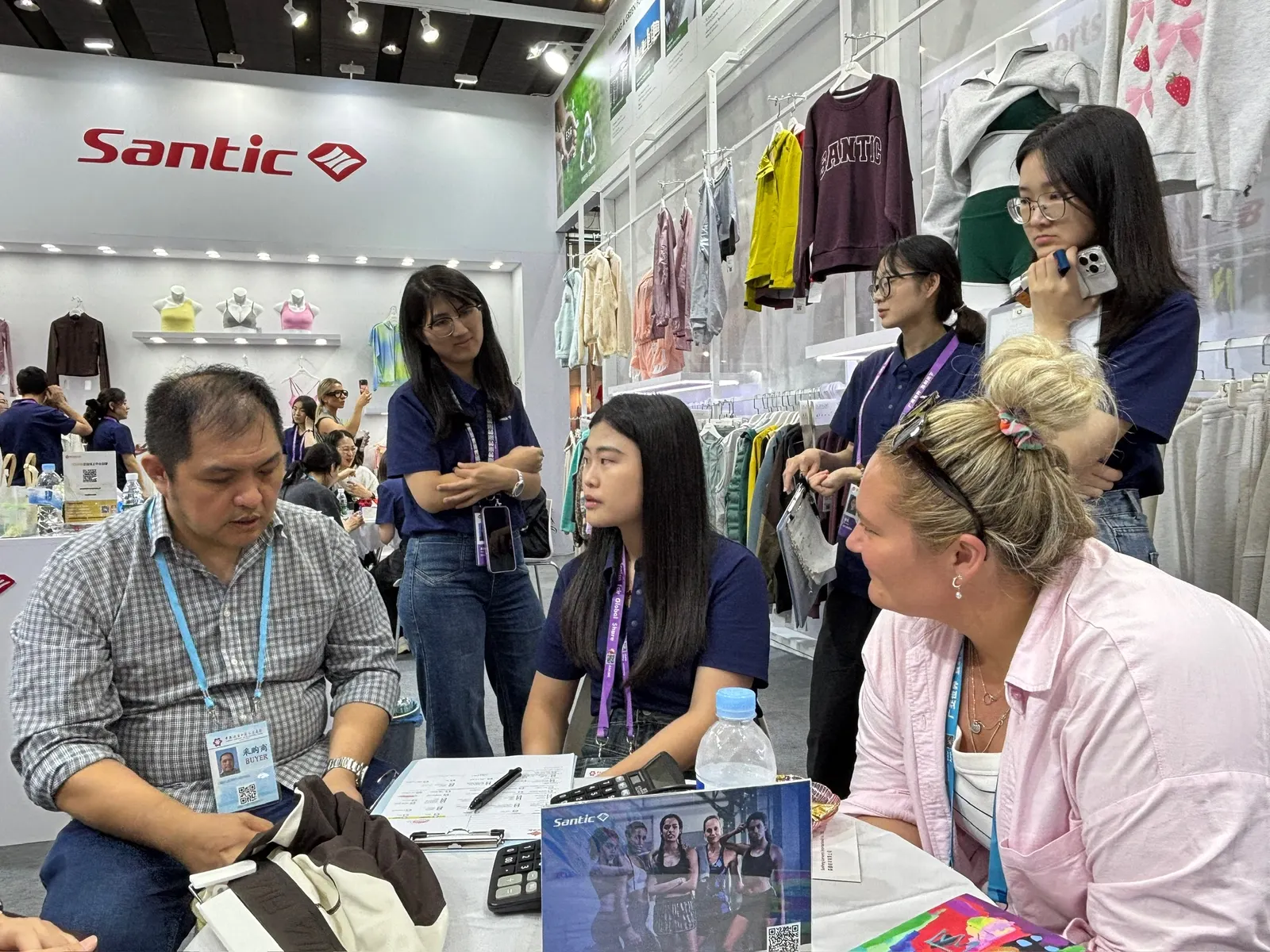
The fair is where Chinese manufacturers come to meet international buyers. In a few days you can meet more factories face to face than you could reach in six months of emails. You see products in your hands, not in photos. You watch how a supplier's team answers real questions.
One caveat. Not every booth is a factory. Some are trading companies representing several factories. Neither is automatically bad, but you need to know which one you are talking to. More on that below.
Pick the right phase before you book flights
The fair runs in three phases, each lasting around five days. Each phase covers different categories.
- Phase 1 covers electronics, machinery, hardware and vehicles.
- Phase 2 covers consumer goods, gifts, homewares and decor.
- Phase 3 covers textiles, clothing, shoes, bags and health products.
Check which phase covers your category before you book anything. Every fair, buyers land in Guangzhou to discover their product category was last week.
Before you fly: get organised
A little preparation multiplies what you get from the fair.
Register for your buyer badge in advance. Doing it online saves you queueing on day one.
Bring business cards. They are still currency at the fair.
Set up WeChat. It is how Chinese suppliers communicate. Email comes second.
Write a one-page product brief. Specs, materials, finishes, target quantities. You will have sharper conversations and get more accurate answers. If you have a sample or prototype, bring it.
Build a target list. The fair directory lists exhibitors by category and hall. The halls are enormous. Wandering is not a strategy.
How to work the halls
Plan each day around one or two product zones. Wear comfortable shoes. You will walk further than you think.
At every booth that interests you, ask the same set of questions:
- What do you manufacture yourselves, and what do you source?
- What are your MOQs and standard lead times?
- Which export markets do you already sell to?
- Can we visit your factory?
That last question matters most. A genuine manufacturer welcomes the visit. Hesitation tells you something.
Photograph products and the booth number together, with permission. Collect the catalogue. Swap WeChat contacts. Then write your notes straight away. By the evening, forty booths blur into one.
Factory or trading company? How to tell
Ask technical questions about materials and production processes. Factory staff answer in detail. Trading company staff often generalise or need to check.
Ask where the factory is and whether you can see it. Vague answers are a red flag anywhere in sourcing, and the fair is no exception.
A trading company can still be the right partner, especially for smaller orders across several product types. Just make sure you know what you are dealing with before you compare quotes.
The real work starts after the fair
Most buyers fly home with a bag of catalogues and never open it. That is how a fair gets wasted.
Within a week of getting home, build a shortlist of your strongest candidates. Send each one a proper manufacturing brief. Ask for quotes on the same specification so you can compare fairly. Then vet before any money moves.
The fair finds you candidates. The follow-up finds you a supplier.
Should you go alone?
You can absolutely do the Canton Fair on your own. Plenty of founders do.
But most first-timers spend the first visit learning how the fair works rather than working it. The halls are overwhelming. The conversations are unfamiliar. It is hard to know which answers are good ones.
That is why our China sourcing trip runs alongside the fair. Small group. Trade fair access with experienced sourcing support on the ground. Factory visits and supplier introductions built in. It is the same network Kristy used across 25+ years of sourcing, including building Incy Interiors to more than $50 million in sales across nine countries.
Nobody leaves with just suppliers. They leave knowing how manufacturing actually works.
The takeaway
The Canton Fair rewards preparation. Pick the right phase. Arrive with a brief and a target list. Ask every supplier the same questions. Follow up within a week.
Do that, and one trip can compress months of supplier searching into a few days.

Kristy Withers
Founder of Source Haus. 20+ years in product sourcing and manufacturing across China, India and Southeast Asia.